Everything You Need to Knit Socks
There is something magical about knitting your first pair of socks.
You start with a small ball of sock yarn and a set of needles, and a few weeks later, you are wearing something that feels soft and was made entirely by you.
If you are a confident beginner wondering how to knit socks, this guide will walk you through everything you truly need. No overwhelm. No unnecessary tools. Just the essentials to help you cast on with confidence.

Choosing the Best Yarn for Knitting Socks
The most important decision in sock knitting is your yarn.
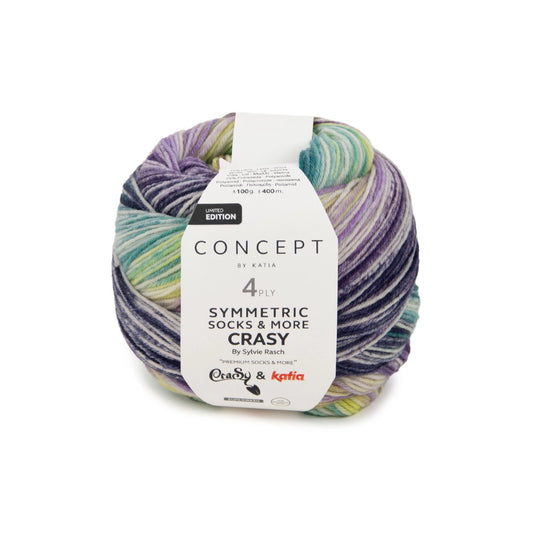
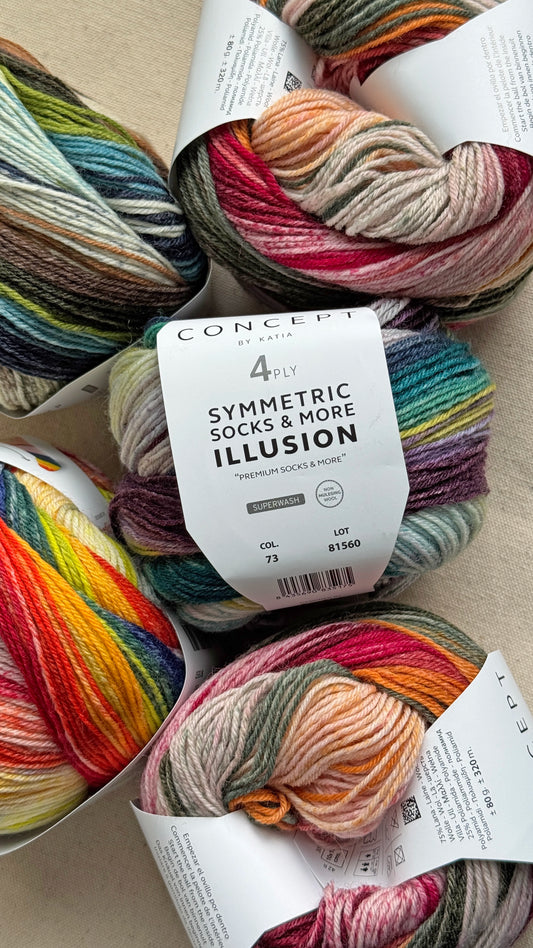
For strong, wearable socks, look for fingering-weight sock yarn. In the UK, this is typically labelled as 4 ply. The best yarn for knitting socks is usually:
- 75 percent wool
- 25 percent nylon
The wool provides warmth, elasticity, and breathability. The nylon adds durability so your socks can handle real life, not just a photo.
If you are knitting your first pair, self-striping sock yarn is a brilliant choice. The colour changes automatically as you knit, so your socks look impressive without needing complex techniques. It keeps the project exciting and helps you stay motivated.
Starting with high-quality sock yarn makes the entire experience smoother and more enjoyable.

Sock Knitting Needles: Which One Should You Choose?
One of the most common questions in sock knitting for beginners is about needles.
The truth is, there is no single correct method. The best sock knitting needles are the ones that feel comfortable in your hands.
Here are your main options:
Double Pointed Needles (DPNs)
Traditional and widely used for knitting in the round. They are portable and great for small circumference knitting. If you enjoy classic techniques, you may love DPNs.
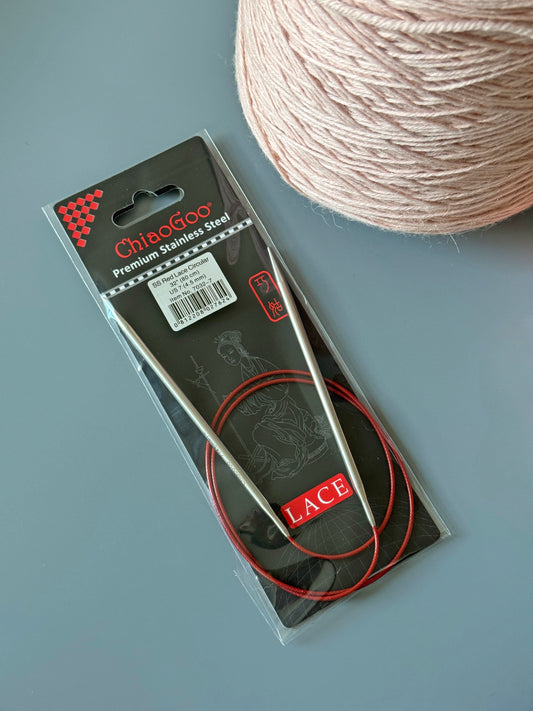
Magic Loop with Long Circular Needles
This method uses long circular needles to knit small tubes. It is ideal if you prefer working with fewer needles and want flexibility. Many knitters find it easier to manage than juggling multiple DPNs.
Short Circular Needles
Usually around 9 inches long. They allow smooth, continuous knitting in the round without repositioning stitches. Some knitters find them very comfortable, especially for travel.
Keep in mind, you most likely will need DPNs or long circular needles to knit a heel and toe.
If you are unsure, choose the method that feels least intimidating. You can always try another technique later.

The Small Tools That Make a Big Difference
Beyond yarn and needles, you only need a few simple tools.
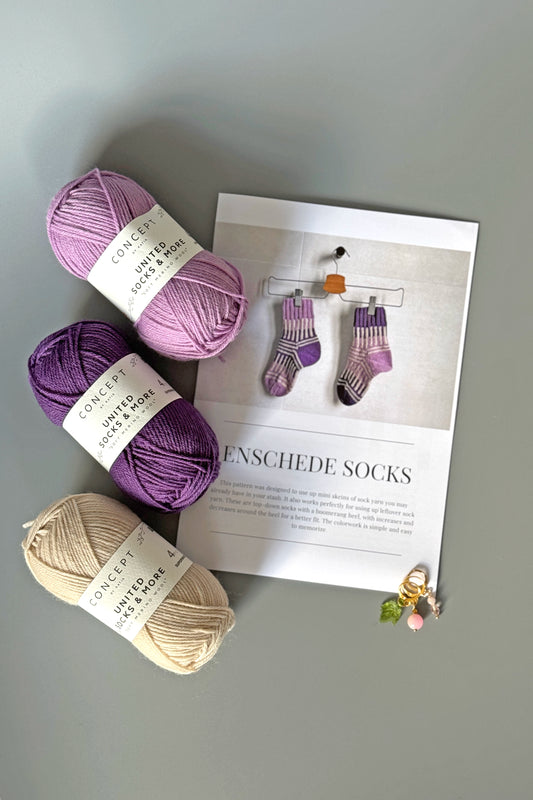
Stitch Markers
Essential for marking the beginning of the round, heel placement, or pattern repeats. They make sock knitting feel organised rather than confusing.
Small Sharp Scissors
For clean yarn cuts. A compact pair that lives in your project bag is perfect.
Measuring Tape
Fit is everything in sock knitting. Measuring foot length and checking your progress ensures your socks will fit beautifully.
Yarn Needle
Used for weaving in ends and grafting the toe. A smooth finish makes your handmade socks look polished and professional.
That is it. You do not need a huge toolkit to learn how to knit socks.
Ready to Knit Your First Pair?
Choose high-quality sock yarn.
Pick the sock knitting needles that suit your style.
Add stitch markers, scissors, measuring tape, and a yarn needle.
And then cast on.
If you would like everything thoughtfully selected in one place, explore our carefully curated collection of sock yarn and essential tools for knitters starting their first pair.